
Master property and filial units
A condominium is one master property (finca matriz) divided into individual units (fincas filiales). Each unit is autonomous and must have its own access.
Articles 1, 6 and 7
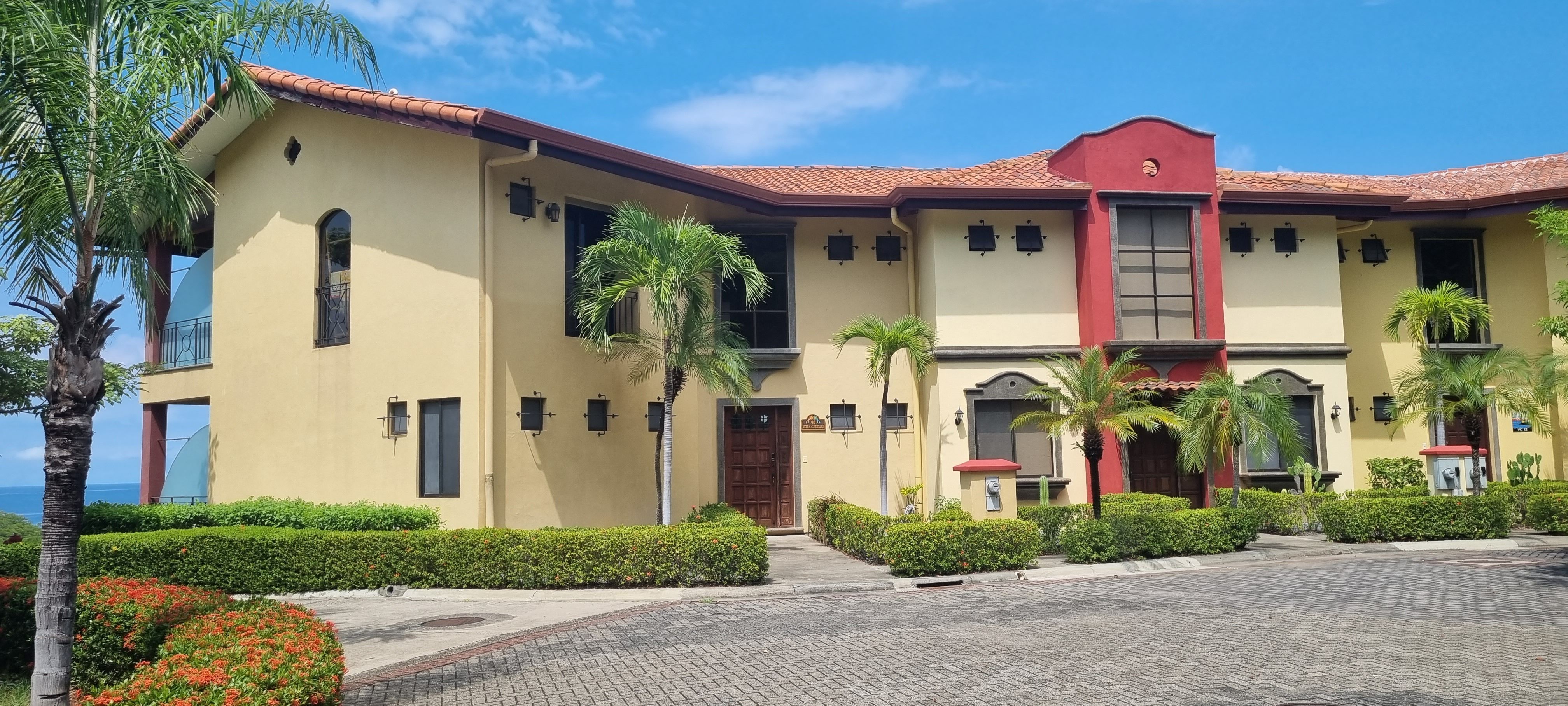
Successful condominium management begins with strict compliance with Costa Rica's legal framework.
Updated with the 2022 and 2025 reforms
Law 10229 (voting majorities) · Law 10746 (virtual assemblies)
The Condominium Property Regulatory Law (Ley Reguladora de la Propiedad en Condominio) came into force on October 28, 1999, replacing the 1966 Horizontal Property Law. It is the legal framework that governs how condominiums are created, owned, administered and dissolved in Costa Rica.
It has been amended several times. The most recent changes matter in practice: Law 10229 (2022) relaxed the majorities required to amend the bylaws, and Law 10746 (2025) gave full legal validity to virtual assemblies.
“The Condominium Property Regulatory Law is the pillar that guarantees harmonious coexistence and the legal security of your property.”Constitution of the Republic of Costa Rica
Four concepts that explain almost every question owners have.
A condominium is one master property (finca matriz) divided into individual units (fincas filiales). Each unit is autonomous and must have its own access.
Articles 1, 6 and 7
You own your unit outright. Common areas belong to every owner in proportion to their unit, and cannot be divided or sold separately.
Articles 8, 9, 10 and 12
The value your unit represents within the condominium determines both the number of votes you hold and your share of the common expenses.
Articles 9, 19 and 24
The Owners Assembly is the highest authority. The administrator carries out its decisions and manages day-to-day operations, but does not replace it.
Articles 24, 30 and 31
Straight answers, each one referenced to the article of the law that supports it.
The administrator convenes the Assembly, either in person or virtually. If they do not, owners representing at least one third of the condominium value can convene it themselves. Since Law 10746 (2025), ordinary and extraordinary assemblies may be held virtually with full legal validity, provided the technology allows integral, multidirectional, real-time interaction so every owner can hear, speak and vote simultaneously.
Articles 24 and 25 (amended by Law 10746 of 2025)
The Owners Assembly appoints the administrator and approves their remuneration. The administrator may be an individual or a company, and unless the bylaws state otherwise, holds general power of attorney over the condominium and its common areas.
Articles 29 and 33.a
Each owner holds a number of votes equal to the percentage their unit represents in the total value of the condominium. Quorum requires two thirds of that value; on a second call, any number of attendees constitutes quorum.
Article 24
The grounds and procedure for removal must be defined in the condominium bylaws, and the Assembly that appointed the administrator is the body that removes them. If there is no administrator or they fail to act, any owner may carry out urgent conservation measures and charge the others proportionally.
Articles 29, 32 and 33.a
Fees cover the common expenses defined by law: taxes on common property, insurance premiums, administration, maintenance, repairs and cleaning of common areas, plus approved improvements. Each owner contributes in proportion to their unit. Giving up the use of common areas does not exempt anyone from paying.
Articles 13, 19 and 26
The annual Assembly reviews the administrator's report and accounts, approves the budget for the year and defines how funds will be raised. Necessary improvements require a simple majority of value; useful improvements require two thirds.
Articles 14, 26 and 27
Central service installations — electricity, water, pumps, tanks, lighting — are common areas, and taxes on common property are a common expense. Each owner covers the conservation of their own floors and dividing walls. Tax offices must keep a separate account for each unit.
Articles 10, 18 and 19
Three books are mandatory: minutes of the Assembly, minutes of the Board of Directors where one exists, and a cash book recording common expense income and outflows. All are legalised through the Condominium Property Section of the Real Estate Registry.
Articles 28 and 32 bis
This content is informational and based on the official text of Law 7933. It does not constitute legal advice. For decisions affecting your condominium, consult a qualified professional.
Law 10229 of 2022 relaxed these thresholds. Amending the bylaws no longer requires unanimity — two thirds is enough.
Changing the general purpose of the condominium, withdrawing from the condominium regime, or encumbering or selling the condominium as a whole.
Article 27.a
Amending the bylaws or constitutive deed, altering unit proportions, useful improvements, acquiring new common areas, changing the purpose of a unit, leasing common areas, approving reconstruction.
Article 27.b (amended by Law 10229 of 2022)
Necessary improvements and any other resolution not expressly requiring a higher threshold.
Articles 14.a and 27.c
Important: the 2022 reform prevails over the bylaws of condominiums created before it. If your bylaws demand a higher majority than the law, the law now applies. Where a single owner holds 50% or more of the value, an additional 50% of the remaining votes is required.
Technical definition of private and common areas. We ensure every square meter is registered and managed under the exact parameters of Law 7933, preventing territorial disputes and protecting property value.
Rigorous management of maintenance fees, internal regulations, and general assembly procedures.
Periodic audits and real-time reporting. Law 7933 demands clear administration of reserve funds and operating expenses.
Permanent legal counsel for the board and the administrator. We act as the legal shield against any civil or administrative contingency.

We advise boards and owners on assemblies, bylaws, appointing an administrator, legal books and budget projections. As a fully Costa Rican company, we know the institutions, the procedures and the real cost of services in this market.
Full validation before the National Registry of all assembly agreements and regulatory amendments.
Notarization of minutes and management of legal powers of attorney in accordance with current Costa Rican law.

Our Law 7933 specialists are ready to ensure transparency and full legal compliance in your condominium's administration.